About Compressed Air Controls and Automation
Compressed Air Controls and Automation refers to systems and technologies designed for efficiently managing and regulating compressed air usage in industrial processes. Utilizing valves, sensors, and programmable logic controllers (PLCs), it optimally adjusts air pressure, flow, and timing, reducing energy consumption and operational costs. Benefits comprise minimized downtime, enhanced productivity, and reduced environmental impact through lower energy consumption. Specific features may include predictive maintenance, remote monitoring, and integration with existing automation systems. Common usages span automotive, manufacturing, and food processing industries, where precise control of compressed air is crucial for powering machinery, tools, and pneumatic equipment, guaranteeing seamless operations.
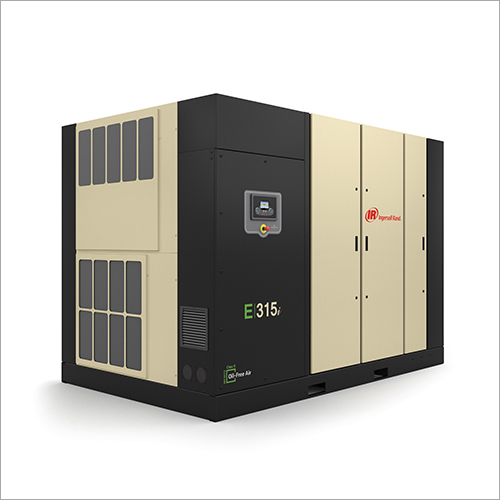
Tailored for Indian IndustriesOur Compressed Air Controls and Automation systems are engineered to fit the demanding requirements of Indian industries. Built for compatibility with 220-440 Volt power and operating at 50 Hz, these black, standard-sized units easily integrate into various industrial environments. We pride ourselves on delivering top-quality products through a trusted network of distributors and service providers across India.
Efficient and Reliable AutomationThese electric drive controls help streamline pneumatic processes while ensuring consistent output and operational safety. The systems enable precise air flow management, reducing energy consumption and minimizing downtime. With comprehensive after-sales support from suppliers and service teams nationwide, we guarantee smooth operation for your critical industrial tasks.
FAQ's of Compressed Air Controls and Automation:
Q: How are compressed air control systems with electric drive type installed in industrial settings?
A: Installation is typically performed by certified technicians. The system is integrated into existing pneumatic networks, configured to the specified 220-440 Volt power supply, and calibrated for optimal performance according to industrial requirements.
Q: What are the main advantages of using electric-driven compressed air automation?
A: Electric-driven controls provide enhanced precision, energy efficiency, and lower maintenance compared to traditional systems. They enable consistent regulation of air flow, which is crucial for industrial automation, leading to improved productivity and reduced operational costs.
Q: When should businesses consider upgrading to these compressed air control systems?
A: Businesses should upgrade if their current systems are outdated, energy-inefficient, or unable to meet current production demands. Newer controls offer better efficiency, reliability, and compatibility with modern industrial processes.
Q: Where in India can I source or get service for these products?
A: These compressed air control systems are distributed, supplied, and supported by a wide network of authorized distributors, service providers, traders, and suppliers across India. Many providers offer on-site support and nationwide coverage.
Q: What is the general process for procuring and installing compressed air automation systems?
A: The process begins with a consultation to assess requirements, followed by product selection, quotation, and procurement. Once delivered, certified technicians handle installation and integration, including electrical and pneumatic connections, system testing, and staff training.
Q: How is the usage of these controls and automation systems optimized for industrial applications?
A: Usage is optimized by customizing control settings to match specific operational needs, scheduling routine maintenance, and utilizing available after-sales support. Proper integration ensures consistent production quality and reliable operation.
Q: What benefits can industrial users expect from switching to these modern compressed air controls?
A: Users benefit from improved energy efficiency, reduced downtime, precise air flow management, and easier maintenance. The systems are supported throughout India, ensuring minimal operational disruptions and long-term reliability.




 Send Inquiry


 Send Inquiry
 Send Inquiry
 Send SMS
